Your basket is empty

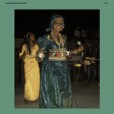
Lovely, hypnotic, rocking peulh music from Dilly commune, Mali, near the border with Mauritania (and the same family grouping as the celebrated singer Inna Baba Coulibaly). Duelling ngonis, calabash, flute, dashes of electric guitar; newly recorded.
Mid-nineties kwaito by Thami Mdluli (veteran of chart-toppers Taboo and CJB, and in-demand producer of the likes of Sox and Sensations).
Tasty, infectious rhythms and synth-work — if the singing is a bit Black Box — with an up-for-it, DIY energy and self-identity encouraged by the momentum of the liberation struggle in this period. “Once Mandela was released from prison and people felt more free to express themselves and move around town, kwaito was becoming the thing,” says Thami.
Aka baile funk.
Tremendous, wild and highly charged music from Crete, completely compelling across a range of moods and styles, with brilliant lyra playing by the leader.
Classic big-band Puente from 1962, including the indomitable scorcher Oye Como Va.
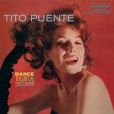
Superlative, thrilling, big-band mambo, cha-cha and guaguanco from 1958, featuring Ray Barretto and vocalist Santos Colon. Essential Latin jazz; the real thing.
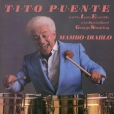
Thrilling, stylish Afro-Cuban jazz — heavy on horns and percussion — featuring interpretations of Lush Life, Take Five, and Lullaby of Birdland (with composer George Shearing sitting in).
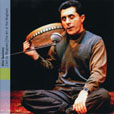
The greatest singer of his generation presenting the classical music of Azerbaijan, accompanied on the tar lute and the kamancha viol by the Mansurov brothers.
Dangdut, keroncong, jaipongan, rock, pop, disco, as well as theatre, commercials, DJs, news snippets, and other broadcast bits and pieces.
Assorted strange and beautiful pop, folk, and classical music styles — intercut with bits of broadcast staples like synth ballads, hip-hop jingles, and internationally popular songs re-recorded in Burmese.
Dangdut, melayu, gambus, punk, rap, psych, Islamic folk, you name it; with snatches of news, karaoke call-ins, ads, prayers and US-style station-IDs.
Jamming selection of route-one party-starters, 1979-1985.
Rollicking, cosmic good vibes.

Rang'ala
New Recordings From Siaya County, Kenya: Ogoya Nengo And The Dodo Women's Group
Honest Jon's Records
Open-hearted, fresh, lovely, bumptious recordings of women’s singing, from Rang’ala village in southwest Kenya. ‘Dodo’ is a type of traditional Luo music mostly used for entertainment at weddings, drinking parties and wrestling festivals. Songs in praise of the happy couple, the hardest drinkers and the best wrestlers.
Try the magical fourth song, Arum — about barking like a hornbill.
‘Fourteen tracks of irresistible psych-spiked cumbia and Link Wray guitar from the edge of the Peruvian jungle’ (Uncut).
‘Rambunctious Peruvian Cumbia Amazonica … The unpredictable and unrestrained sound that locals lovingly called ‘llullampeo’ can be heard in all its glory in Gitanita’ (Sounds And Colours).
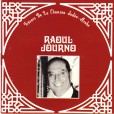
A follower of the celebrated Cheikh El Afrite, young Raoul taught himself oud, and sang solo for his local synagogue choir — also drawing inspiration from the munchid singing of Sulamia, the largest Sufi brotherhood in Tunisia. In 1934, aged twenty-three, his first album was a smash. Maghreb audiences revered him for his fidelity to his own national traditions, undistracted by more fashionable Lebanese and Egyptian styles.
Ya Samra hymns a prettily-tattooed, blushing, date-flavoured brunette; in Aala Khadek the dirty rascal fancies himself to be a bee, closing in on the delicious nectar secreted in the beauty spot of his beloved.
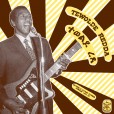
Drawn from his six monumental singles for the Philips, Amha and Yared labels between 1970-73, revolutionising traditional Eritrean music via the innovations of amplified kirar, electric guitar and horns. Thick, deep declarations and considerations of love over a mixture of sombre and joyous tunes (with the hand-clapped beat often shifting into double-time near the end).
Co-released with Mitmitta Musika in Addis Ababa; handsomely presented in a tip-on sleeve, with extensive liner notes, translations and exclusive photos.
Fab.
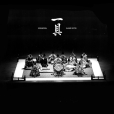
‘Japanese classical music and dance, traditionally performed by families of musicians linked to the ancient Imperial court, and later passed down in Buddhist temple ceremonies and Shinto shrines, Gagaku is the oldest of the Japanese performing arts, with a history more than a thousand years old. Founder and director of the Reigakusha ensemble, Shiba Sukeyasu descends from the Koma clan, dating back to the end of the 10th century. The recordings partly reflect repertoires borrowed from Chinese music between the 5th and 9th centuries.
‘The eternal breath of the flutes (ryuteki and hichiriki) creates a sort of suspension of time, together with the hypnotic and hallucinatory atmosphere of the mouth organs (shō). The meditative tone of the string instruments (bika and koto) that punctuate the voids and silences is impressive, as is the enigmatic percussion section, with the tolling of the gong (shōko) and the calibrated beats of the drums (taiko and kakko).’
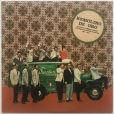
Tear-up cumbias from this mighty label’s treasure-rooms, handsomely sleeved.